Selling computer and printing products online is profitable because they are in high demand and generate repeat purchases. With your own online store and no sales commissions, you can scale your business sustainably.
It’s an excellent opportunity if you’re looking for a business with constant demand. From 3D printing filaments to gaming accessories and connectivity, these are items that users buy on a recurring basis and compare extensively before deciding.
The key is to choose the right products, organize them correctly, and sell them from a platform that doesn’t reduce your profits with unnecessary commissions.
Why these types of products sell so well online
Computing and printing products are part of everyday life. They are used for work, study, play, or production. This means that they do not depend on passing fads, but on real needs.
In marketplaces, 3D printing supplies and computer accessories are consistently among the best sellers in the computing and printing category, especially PLA filaments and gaming peripherals.
In addition, many of these products are not purchased just once. Filaments, cables, and certain accessories are replaced or repurchased, generating repeat sales.
Computing and printing products in highest demand
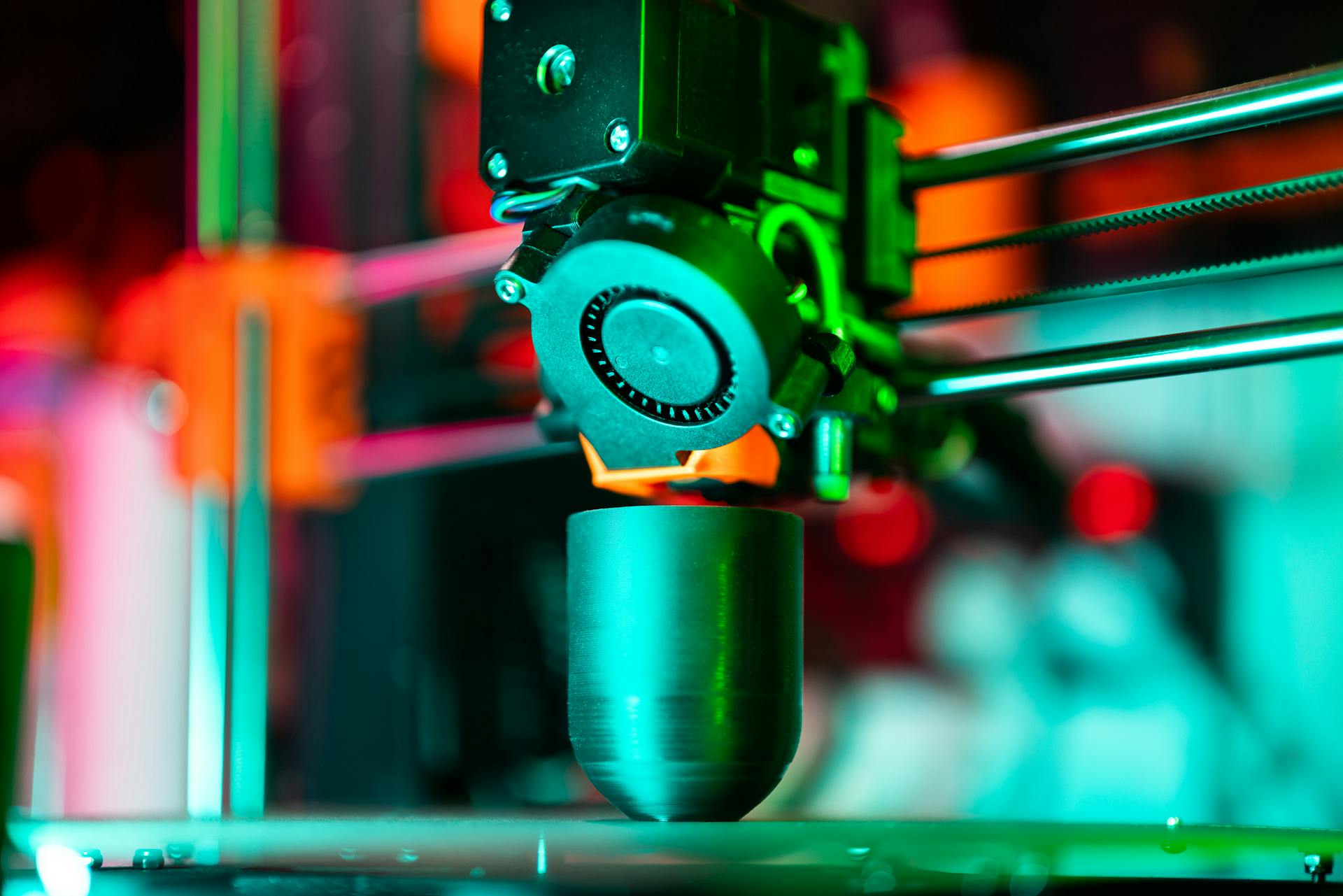
Within this category, 3D printing is experiencing sustained growth. Filaments are one of the most sought-after products because they are consumables. When they run out, the user buys more. This is ideal for an online store looking for repeat customers.
Accessories and spare parts for 3D printers also sell well, as they allow users to improve or maintain their equipment without having to replace it entirely. This behavior is repeated in computing.
In the case of gamers, peripherals such as keyboards, mice, and headphones have high turnover. Many users frequently upgrade their equipment or look for replacements. The same is true for connectivity products, which are often purchased when there are signal problems or a need for more ports.
PC assembly is another interesting segment. Many people buy individual components and look for specialized stores that they trust and that provide good information.
How to organize an online store to sell better
A clear store sells more. When users enter, they should quickly understand what you offer and where to find it. Separating computing, 3D printing, gaming, and connectivity helps both people and search engines.
Descriptions should be simple and concrete. There is no need to use complex technical language. Explaining what the product is for, what equipment it is compatible with, and why it is a good choice is usually sufficient.
One detail that is often overlooked is including answers to frequently asked questions within the text.
For example, which filament to choose depending on the use or which accessory is compatible with certain equipment. This improves the user experience and Google ranking.
Little-known tips to stand out from the competition
One detail that many overlook is educating the customer. A short text explaining when to use each product builds trust and reduces returns.
Another important point is to show clear compatibilities. In computing and printing, compatibility is crucial to closing a sale.
It also works very well to offer products that are replenished. Consumables, such as filaments or cables, help bring customers back without the need for large campaigns.
Conclusion
Selling computing and printing products online is a real and sustainable opportunity. The demand exists, users buy on a recurring basis, and there are many niches to specialize in, from 3D printing to gamers and connectivity.
If you choose your products well, organize your store clearly, and use a platform with no sales commissions such as Neolo Shop, you can build a profitable business from the start.
Frequently asked questions
Is it profitable to sell computer and printing products?
Yes. These products are in constant demand, and many of them are purchased several times a year.
What should I sell first?
The most sought-after products are usually 3D printing filaments, computer accessories, and gaming peripherals.
Do I need a lot of stock to get started?
No. You can start with a small selection and expand based on what sells best.