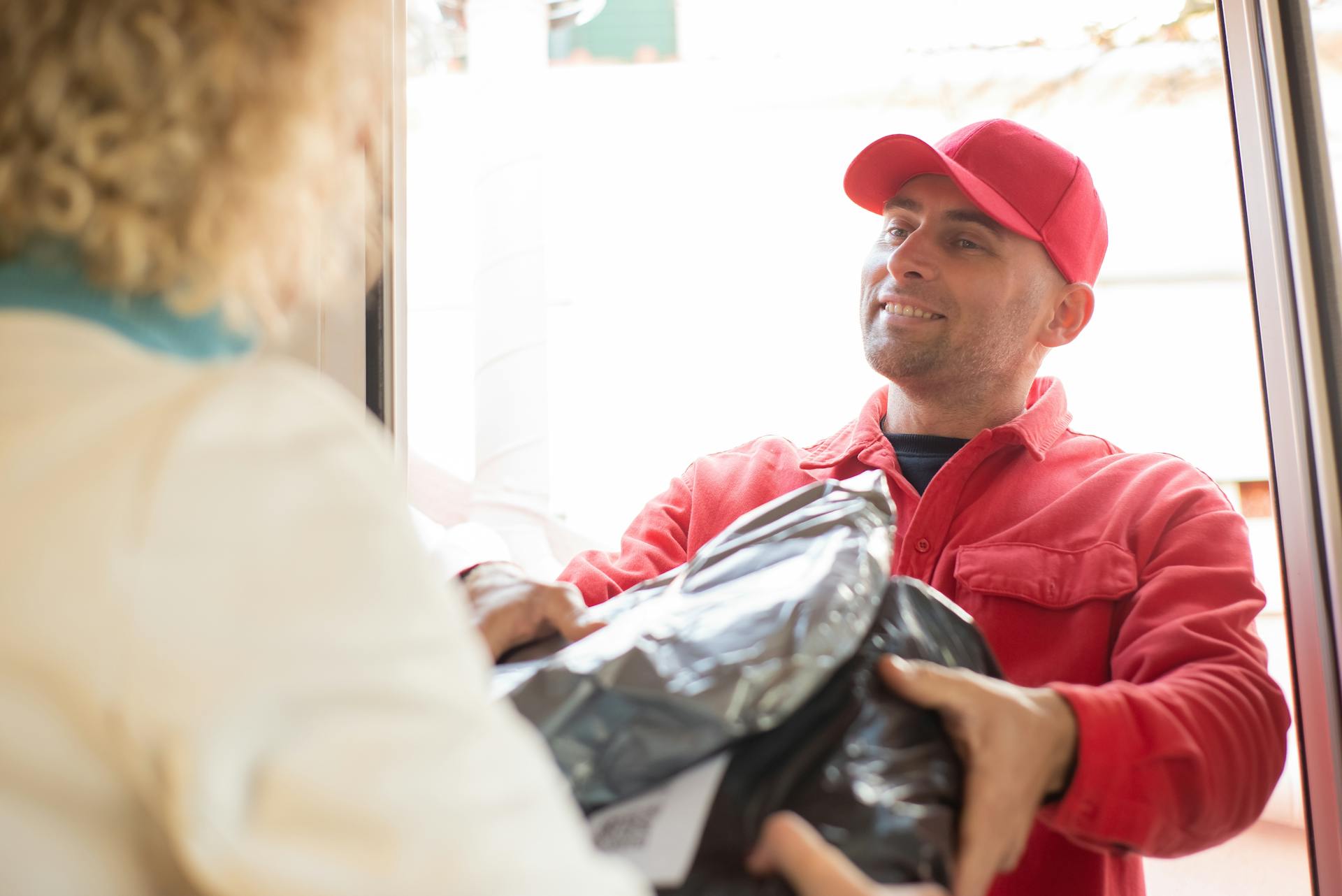
Discreet shipping and packaging involves delivering packages without revealing their contents or origin, protecting the customer’s privacy. It is ideal for online stores, as it builds trust in sensitive products and reduces risks in shipping logistics.
Are you starting an online business from home and concerned about your customers’ privacy during shipping?
Discreet shipping and packaging is a key solution in online store logistics. Basically, it involves packaging and delivering products in a way that does not reveal what is inside or where it comes from, avoiding eye-catching labels or visible branding.
Why use discreet shipping and packaging?
Discreet shipping helps differentiate your online store from the competition, especially if you sell products such as cosmetics, supplements, or personal items.
According to e-commerce experts, this practice can increase customer retention by up to 20%, as it conveys professionalism and respect for privacy.
In shipping logistics, discreet packaging uses generic boxes without logos or descriptions.
For package delivery, references to the contents are avoided on shipping labels. This is key for entrepreneurs who sell from home, as it minimizes risks such as theft or prying eyes from neighbors.
How to implement discreet shipping and packaging
Choose the right materials
- Opt for plain cardboard boxes with no printing.
- Use protective fillers such as bubble wrap or foam, but without any branding.
- Include generic sender labels, such as “Private Shipment.”
These materials are accessible and inexpensive, ideal for a start-up online business.
Integration with logistics services
Collaborate with shipping companies that offer discreet options, such as DHL.
A little-known tip: use QR codes instead of text descriptions on labels, which speeds up scanning without revealing details—a technique used by some premium e-commerce platforms but not widely publicized in basic blogs.
For example, stores like Amazon offer “discreet packaging” for sensitive categories, resulting in positive reviews about privacy.
Tips for optimizing your shipments
- Customize by region: In urban areas, prioritize tamper-resistant packaging; in rural areas, focus on anti-opening seals. This isn’t mentioned much, but internal logistics data shows a 15% reduction in returns.
- Monitor hidden feedback: Use anonymous post-delivery surveys to refine your approach, revealing preferences that competitors ignore.
- Integrate with digital tools: Synchronize with tracking apps that do not show content details, a hack that speeds up package delivery without compromising discretion.
Relevant FAQs
Does discreet shipping increase costs in my online store?
Not necessarily. Neutral materials are similar in price to standard ones, and you can absorb it in your profit margin. The return in loyalty compensates for any minimal increase.
Is discreet packaging legal in all countries?
Yes, as long as it complies with customs regulations. For online businesses in Latin America, check local regulations to avoid fines. A useful resource is the World Customs Organization website.
Who do I consult about this if I sell from home?
Look for logistics providers that offer “discreet delivery” and choose the one that suits you best. In general, all delivery companies usually offer this service, but it is worth checking in advance.
Conclusion
In summary, discreet shipping and packaging are essential for protecting your customers’ privacy, boosting trust, and increasing sales.
From choosing materials to advanced tips, this guide equips you to get started. Implementing it not only solves logistical concerns but also positions your business as empathetic and professional.